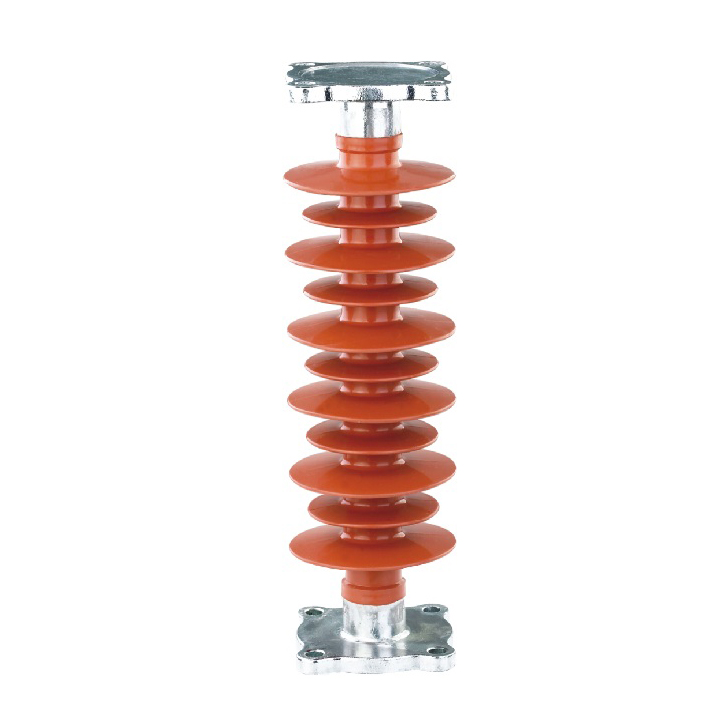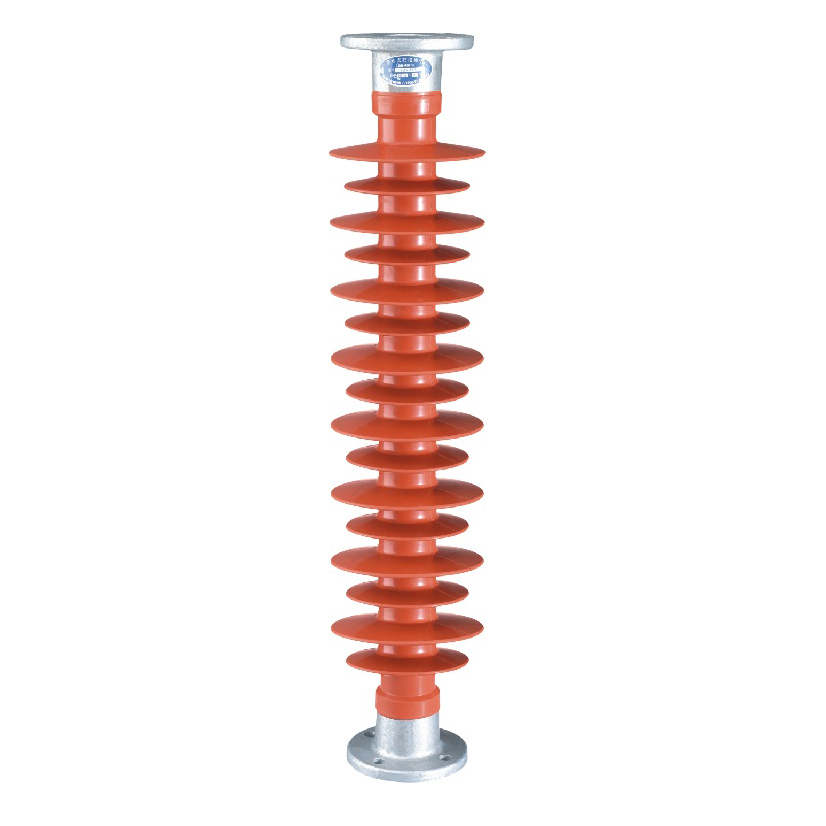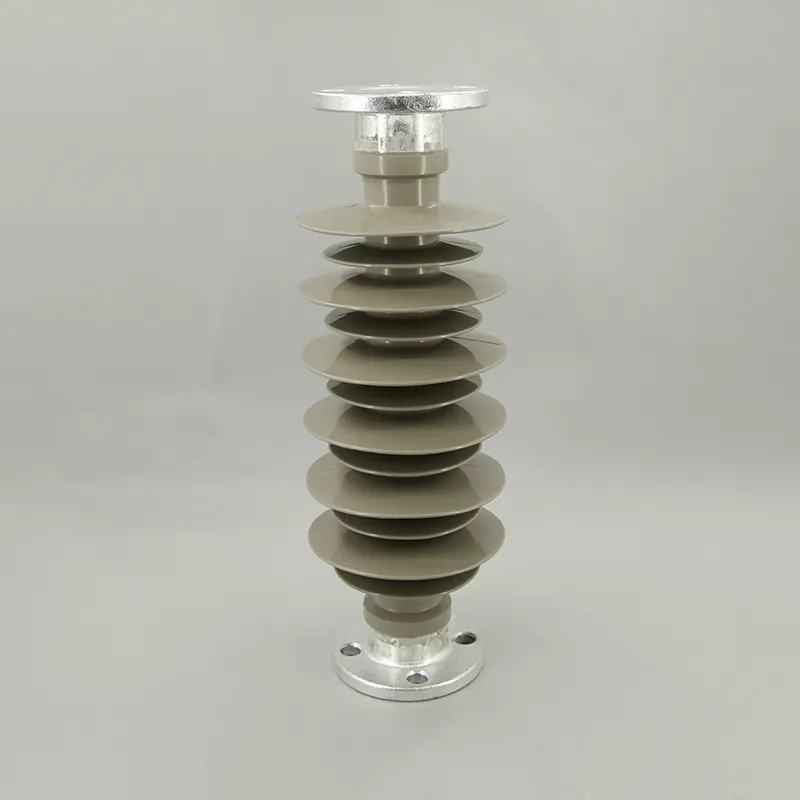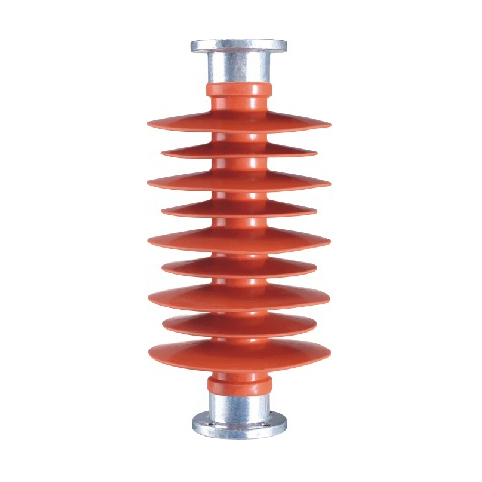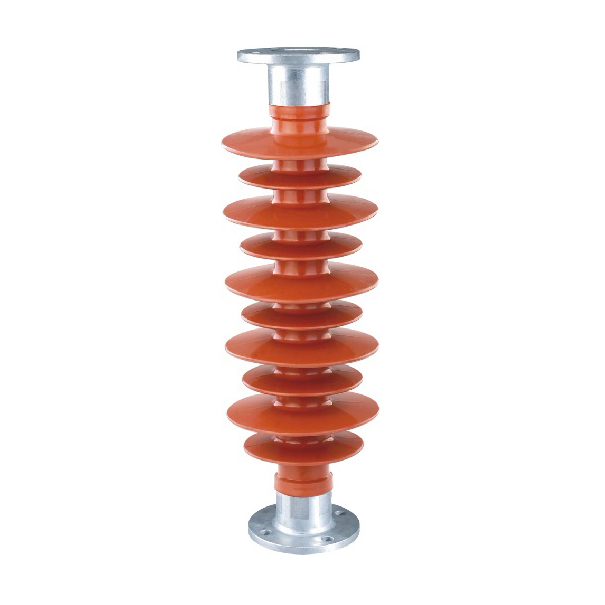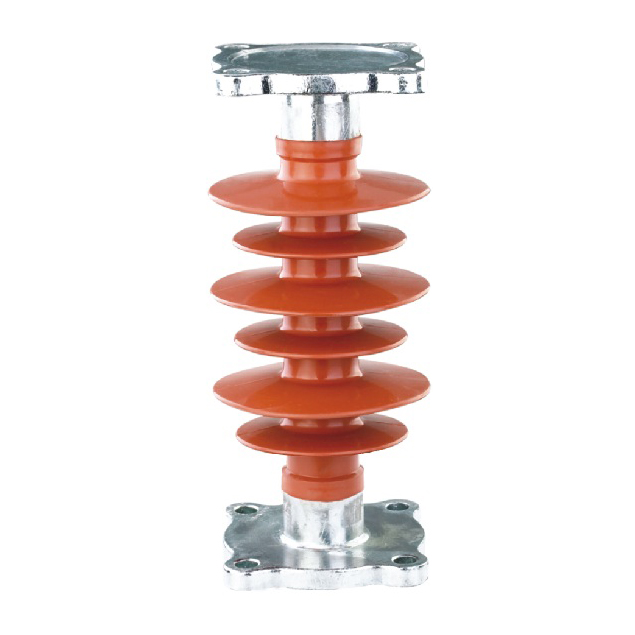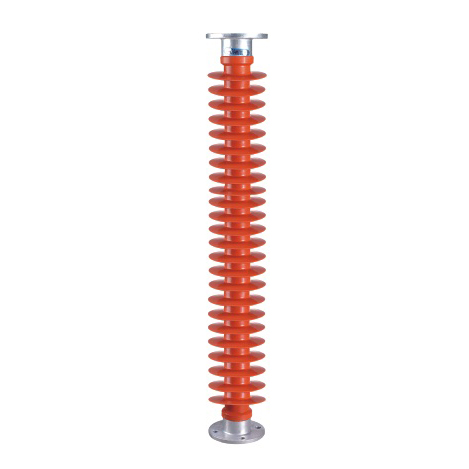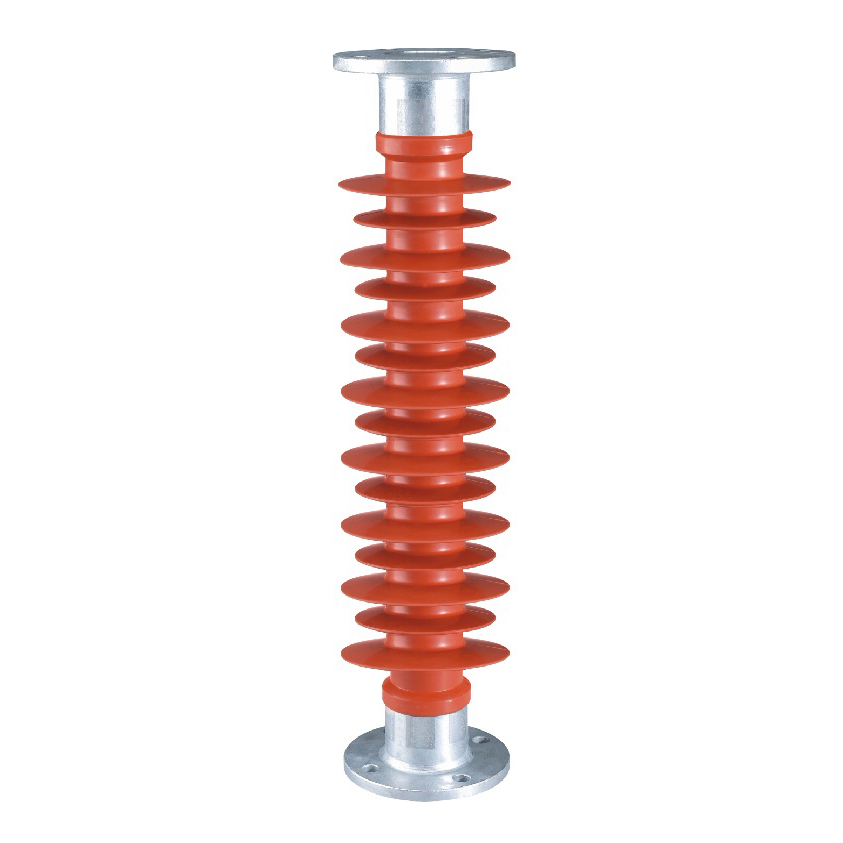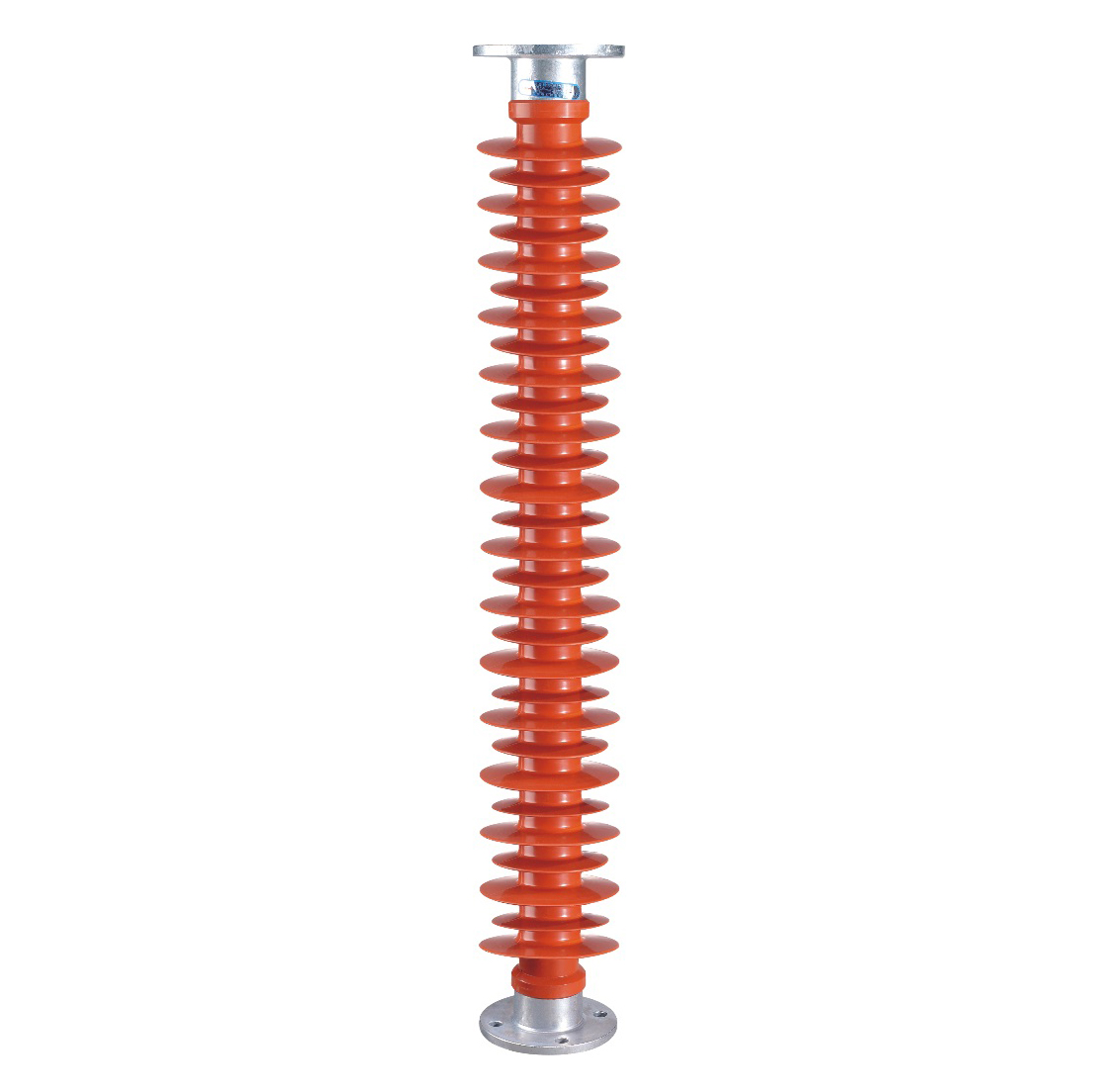


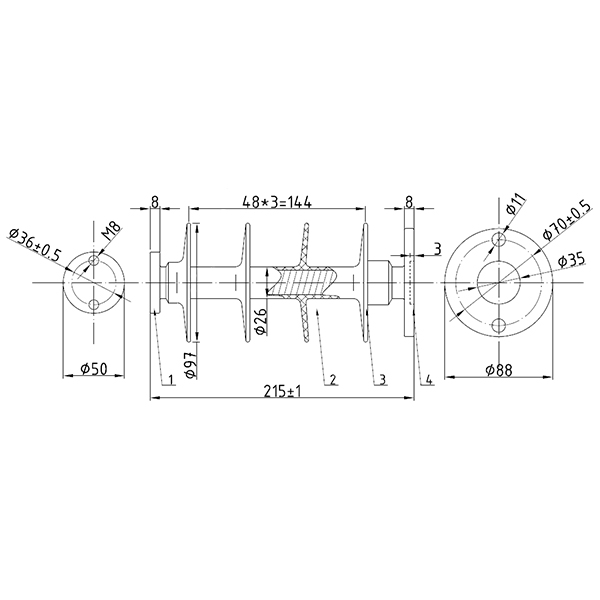
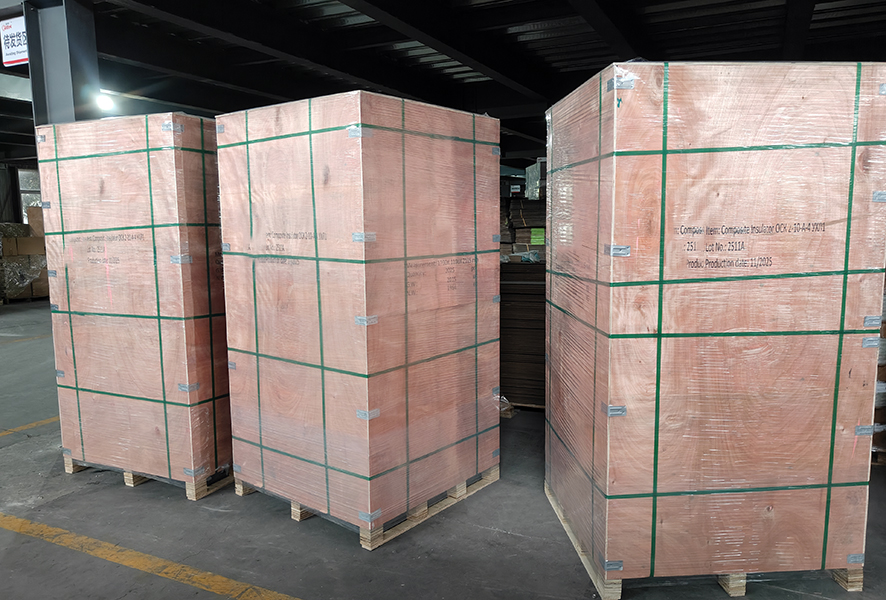
ОСК 2-10-А-4 УХЛ1(FZ-10/2 420)
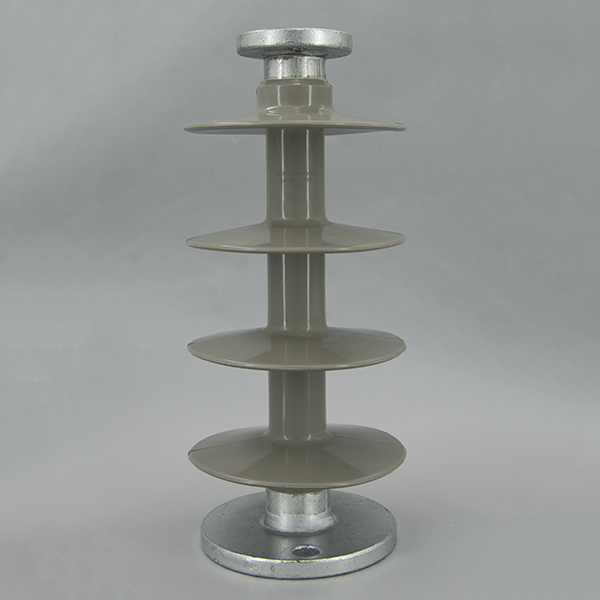
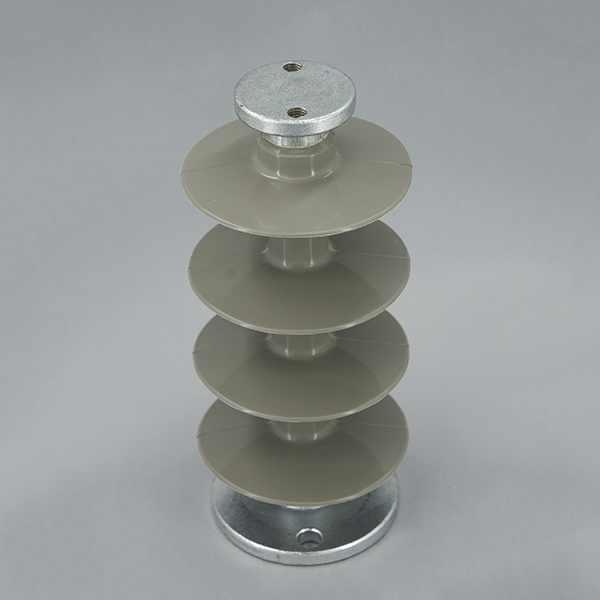
As a globally leading supplier of composite insulators, we are capable of full‑industrial‑chain production and stringent quality control. Our composite insulators fully comply with mainstream standards including GB/T, IEC and ANSI.
| Suspension Insulators | Line Post Insulators, Pin‑Type Insulators | Station Post Insulators |
| GB/T 19519‑2014 | GB/T 22079‑2008 | GB/T 25096‑2010 |
| IEC 61109:2025 | IEC 61952:2008 | IEC 62231‑2006 |
| ANSI/NEMA C29.13‑2020 | ANSI/NEMA C29.17‑2022 | ANSI/NEMA C29.12‑2020 |
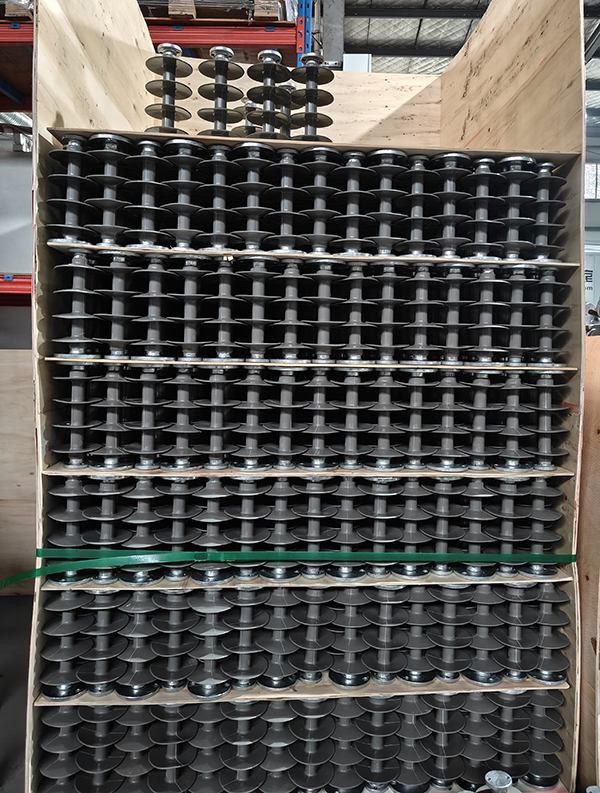
What Is Composite Insulator
Composite insulators, also known as synthetic insulators, rod‑type insulators or silicone‑rubber insulators, are critical components used in power transmission‑distribution systems to support conductors and insulate them from transmission towers. Unlike traditional porcelain or glass insulators manufactured with polymer‑material technologies, they feature light‑weight structure, high mechanical strength and excellent pollution‑resistance and are widely applied in high‑voltage and extra‑high‑voltage transmission lines.
Composite insulators deliver overwhelming advantages compared with conventional porcelain and glass‑type counterparts:
Maintenance‑free (anti‑pollution flashover): Thanks to the mobility property of silicone rubber, surface dust hardly damages hydrophobicity of the sheds, which greatly cuts maintenance costs.
Light‑Weight: Its weight is merely 1/7‑1/10 of porcelain insulators. It lowers requirements for construction personnel and equipment and reduces load on transmission towers.
Break‑Resistant: High toughness prevents damage during transportation and installation.
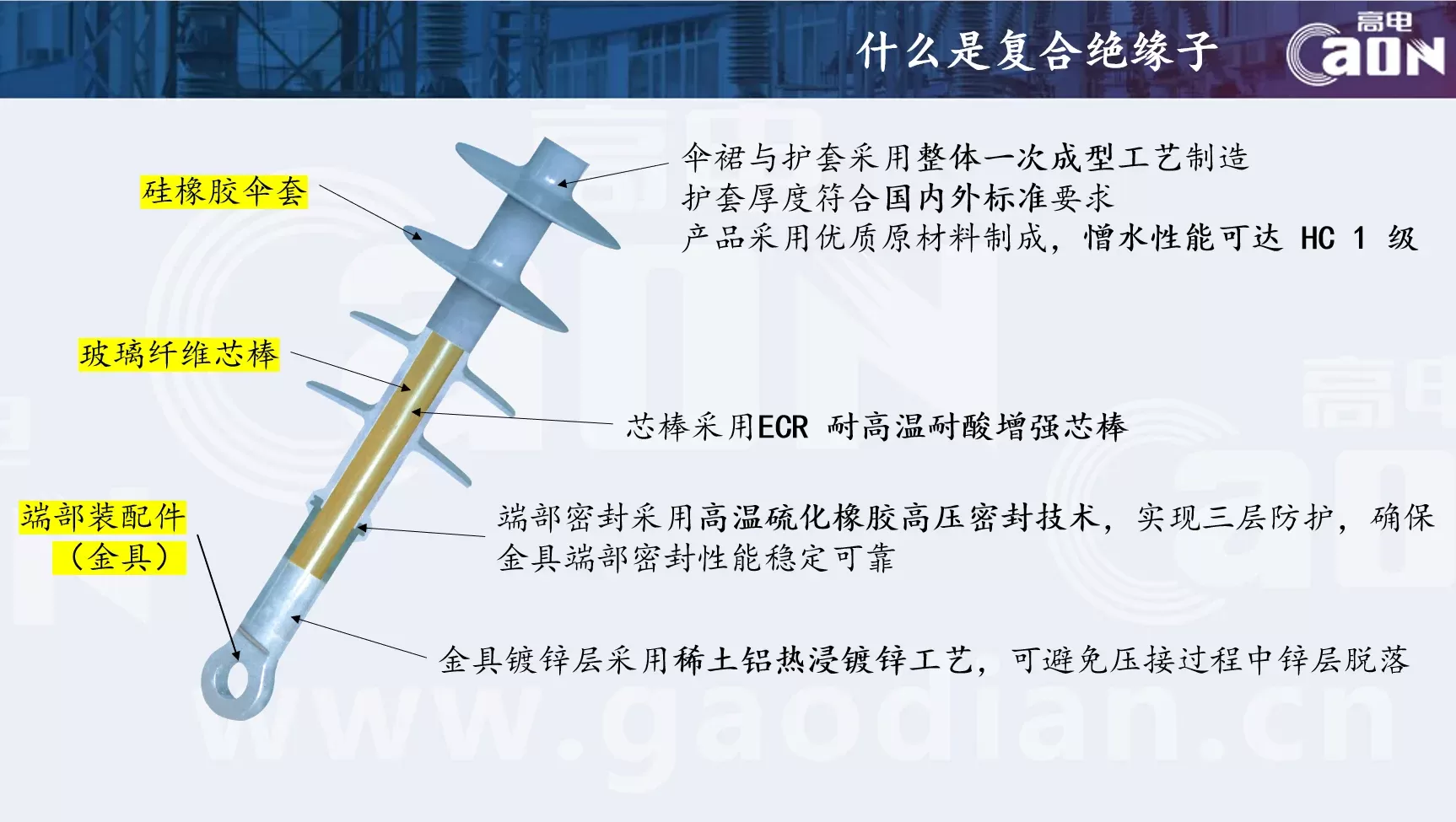
A composite insulator mainly consists of three components:
| Item | Insulator Shed | Fiberglass Core Rod | End Fittings (Hardware) |
| Material | High‑Temperature‑Vulcanized Silicone Rubber(HTV‑Silicone Rubber) | Epoxy‑resin‑impregnatedFiberglass Reinforced Plastic Rod (FRP) | Hot‑dipped galvanized forged steel or ductile cast iron |
| Functions | To extendcreepage distanceand prevent surface leakage current effectively. Its inherent hydrophobicity drastically cuts flash‑over risks under rainy, snowy and polluted conditions. | It features tensile strength superior to ordinary steel to bear tensile or compressive loads from power lines. | Mounted at both ends of core rod to attach insulators to transmission towers and power conductors. |
Core Competitiveness
We grow into a world‑class composite‑insulator supplier not merely by manufacturing finished insulators. We independently produce hardware fittings, core rods and silicone‑rubber compounds as well.
Click the link below and visit our digital workshop with a 360° panoramic view to witness our manufacturing strength and production sites.
| Hardware Fittings | Core Rods | Silicone‑Rubber Compounds |
|
|
|
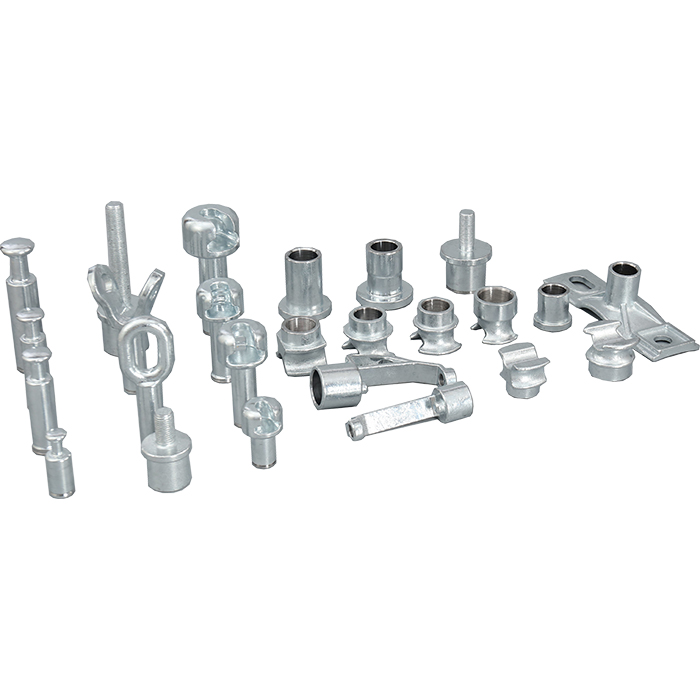
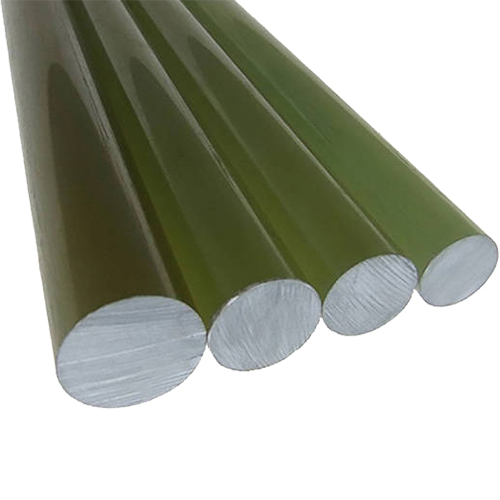
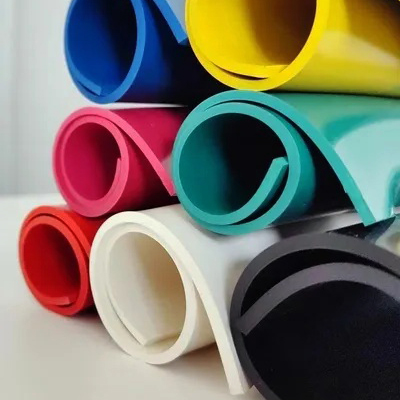
Our Core Business: Manufacturing, sales and after‑sales service of finished and semi‑finished composite insulators; we also deliver turn‑key EPC projects for composite‑insulator production lines.
Global Presence: We have successfully built a total of 7 insulator factories across different continents.
South America: Argentina
Asia: Thailand, Türkiye
Africa: Ethiopia, Morocco, Tanzania
Europe: Bulgaria
Main Application Fields
1. Primary Application Scenarios
Outdoor substations and open‑air switchyards from 10kV‑220kV: matched with outdoor GW4, GW5 and GW22 disconnectors to support conductive arms, insulate live high‑voltage parts from ground and form an obvious break‑off point during maintenance, covering suburban, county‑level and mountain substations.
Overhead distribution networks and pole‑mounted disconnectors for 10‑35 kV: supporting insulators for pole‑mounted outdoor disconnectors, sectionalizing switches and drop‑out fuses; massive demands are generated by urban‑rural distribution‑network upgrading and rural‑grid renovation projects.
Power grids in heavily polluted areas such as coastal salt‑fog zones, chemical plants, cement plants, mining areas and dusty regions. High‑creepage‑distance composite insulators replace outdated porcelain ones to avoid flash‑over tripping and cut maintenance workload.
2. New‑Energy Industry (Fastest‑Growing Market Currently)
PV power‑station booster stations: 40.5kV disconnector essential parts for centralized photovoltaic plants. Silicone‑rubber insulators are prioritized in Gobi‑desert areas with drastic temperature differences and heavy sand. GW5‑40.5kV insulators are widely purchased for mountain‑based, fishery‑PV complementary and coastal tidal‑flat photovoltaic projects.
On‑shore and offshore wind‑farm booster stations: 35kV‑110 kV high‑voltage disconnectors inside wind‑farms. Composite insulators serve as top choices for offshore wind projects with strict anti‑salt‑fog and anti‑corrosion requirements.
Energy‑storage power stations: insulating supports for external disconnectors of high‑voltage energy‑storage cabins.
3. Rail‑Transportation Industry
Traction substations for high‑speed railways and conventional railways: 35kV and 110kV outdoor disconnectors that adapt to harmonic environments with strong seismic performance; GW4‑40.5kV high‑voltage disconnectors are widely adopted for metro switchgears of subways and inter‑city railways.
Power‑supply switchgears for urban light‑rail transit systems.
4. Self‑Owned Power Plants and Auxiliary Power‑Supply Systems for Industrial Plants
Large industrial and mining plants including steel mills, chemical plants, refineries, mines, cement plants and paper‑making factories install outdoor high‑voltage disconnectors inside their self‑owned substations; composite insulators outperform porcelain‑type ones in dusty and corrosive working environments.
10‑110kV main step‑down substation disconnectors for metallurgical, non‑ferrous‑metal smelters and large‑scale manufacturing workshops.
Pumped‑storage hydropower stations and conventional hydropower plants: GW4/GW5 disconnector insulators installed in outdoor switch‑yards of hydropower plants for humid and rainy environments.
5. Other Niche Application Sectors
Oil‑gas industry: high‑voltage disconnectors for substations serving oil‑gas fields and long‑distance pipelines in remote wild sites.
Airports, ports and large‑scale data centers: high‑voltage switchgears for power‑distribution systems of airport switch‑rooms, port terminals and external power‑supply systems for big‑data centers.
6. Applicable Voltage Classes
10kV,35kV (40.5kV),66kV,110kV,220kV disconnector insulators.