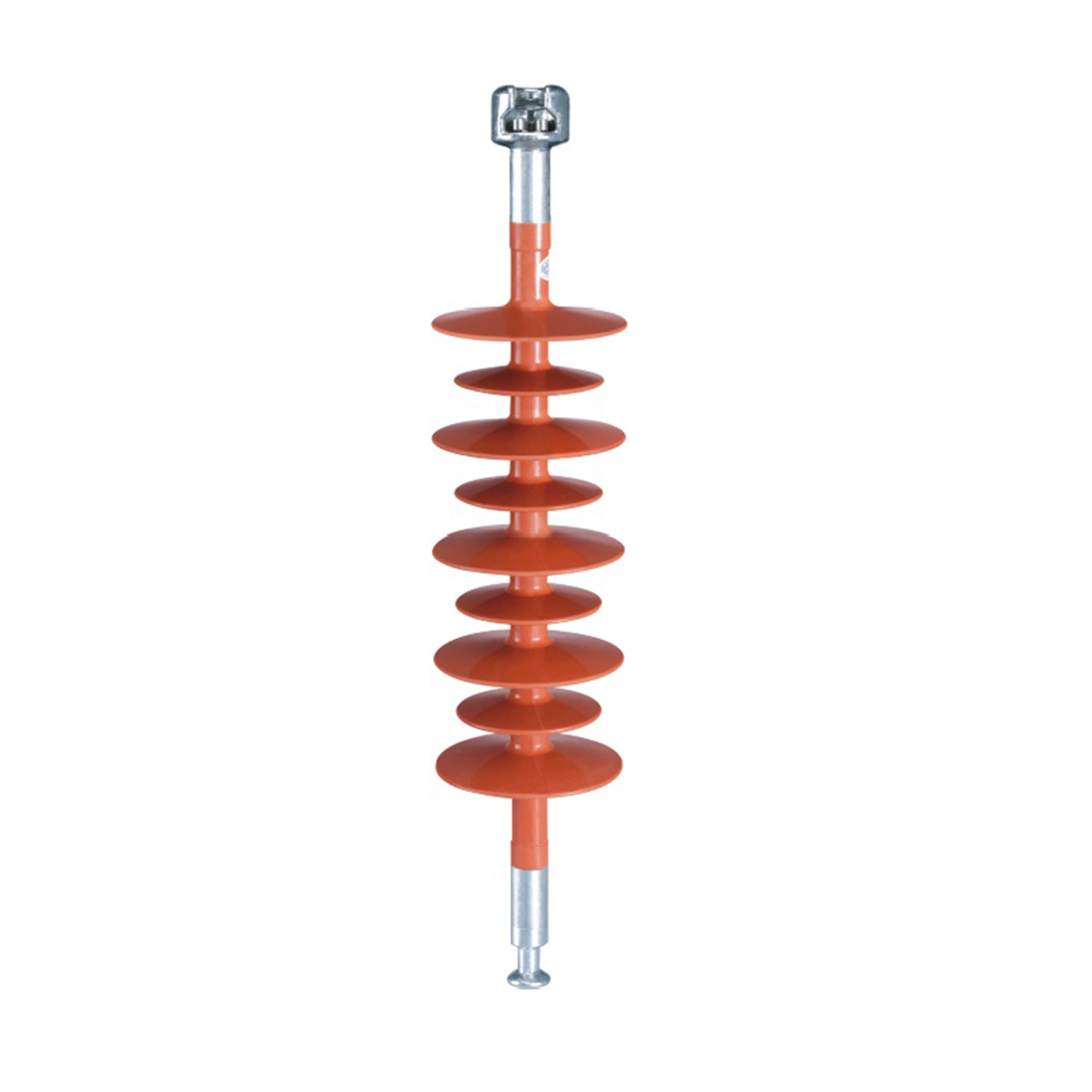


FXBW4-10/70
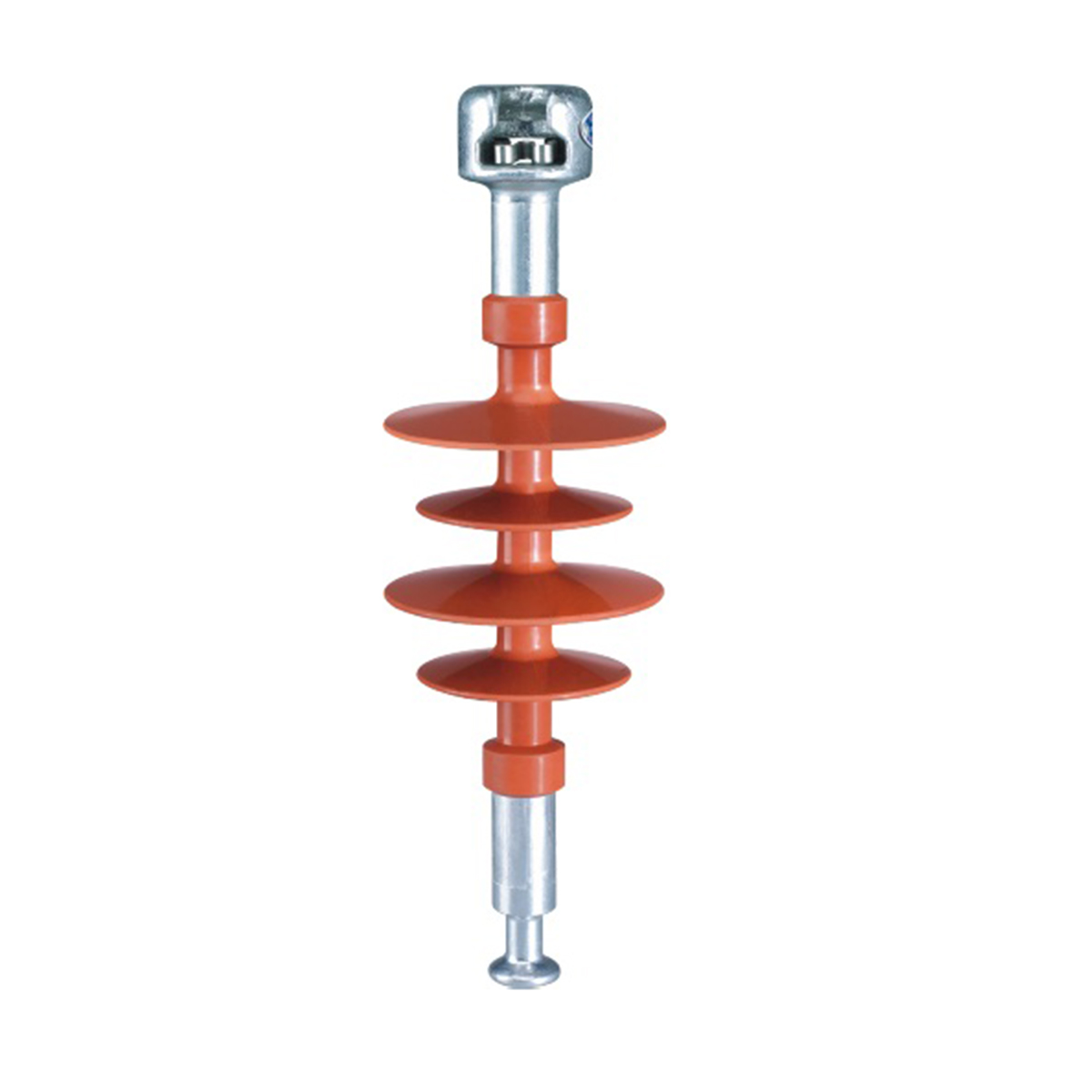
As a world-leading composite insulator supplier, we possess full industry chain production and quality control capabilities. Our composite insulators fully comply with major international standards, including GB/T, IEC, and ANSI.
| Suspension Insulators | Line Post & Pin Insulators | Station Post Insulators |
| GB/T 19519-2014 | GB/T 22079-2008 | GB/T 25096-2010 |
| IEC 61109:2025 | IEC 61952:2008 | IEC 62231-2006 |
| ANSI/NEMA C29.13-2020 | ANSI/NEMA C29.17-2022 | ANSI/NEMA C29.12-2020 |
What is a Composite Insulator?
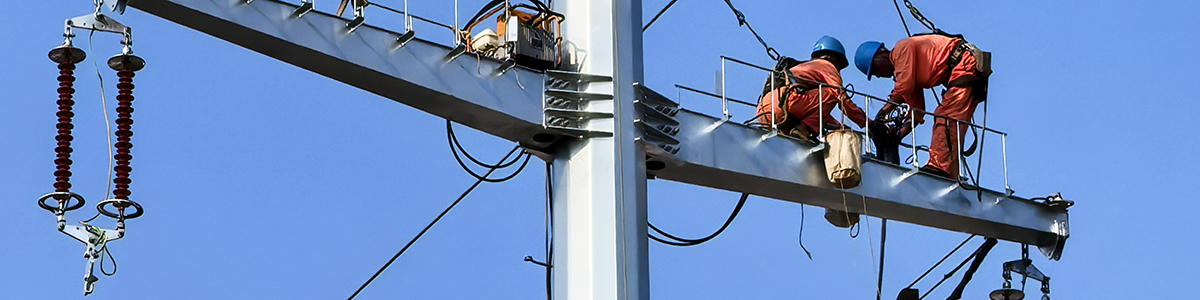
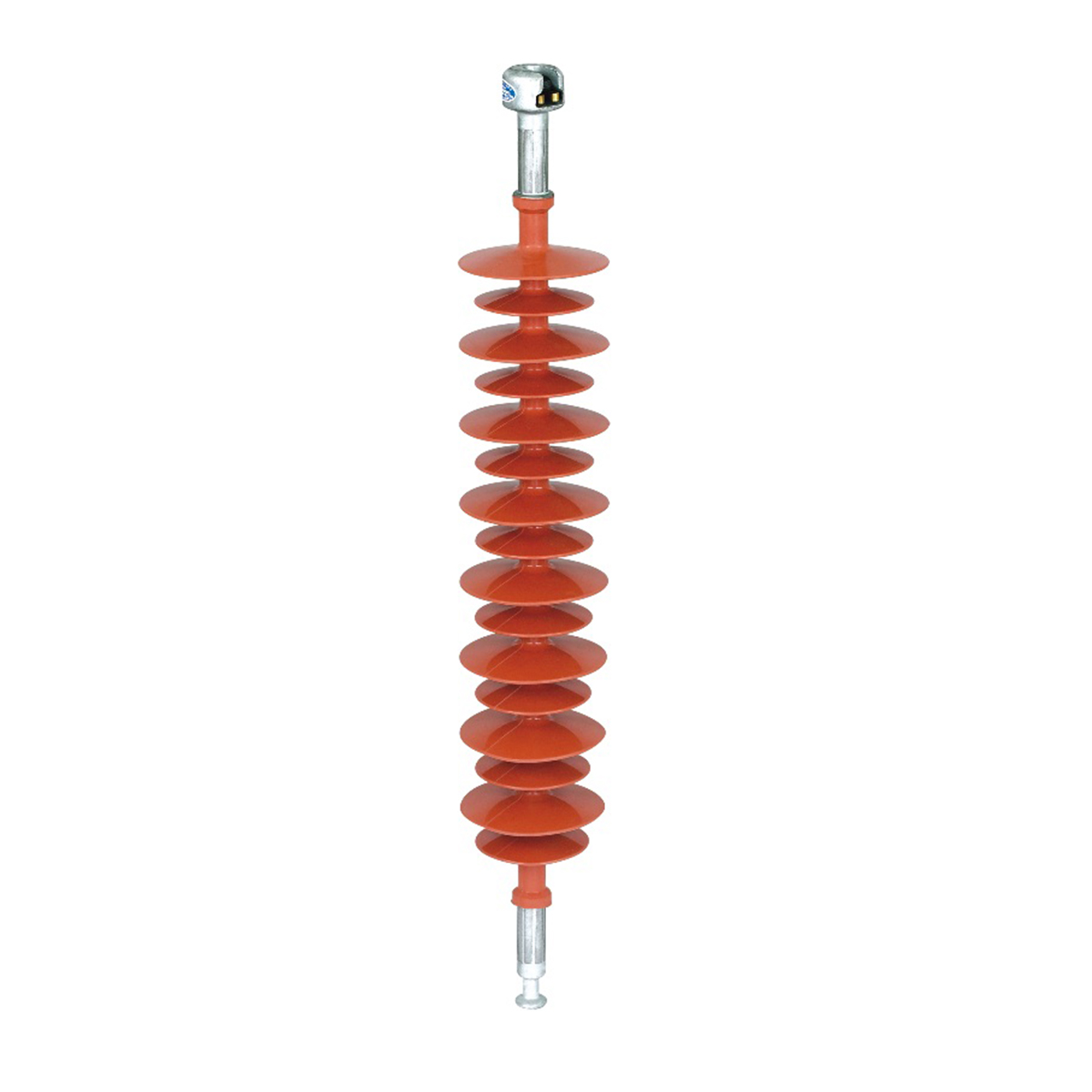
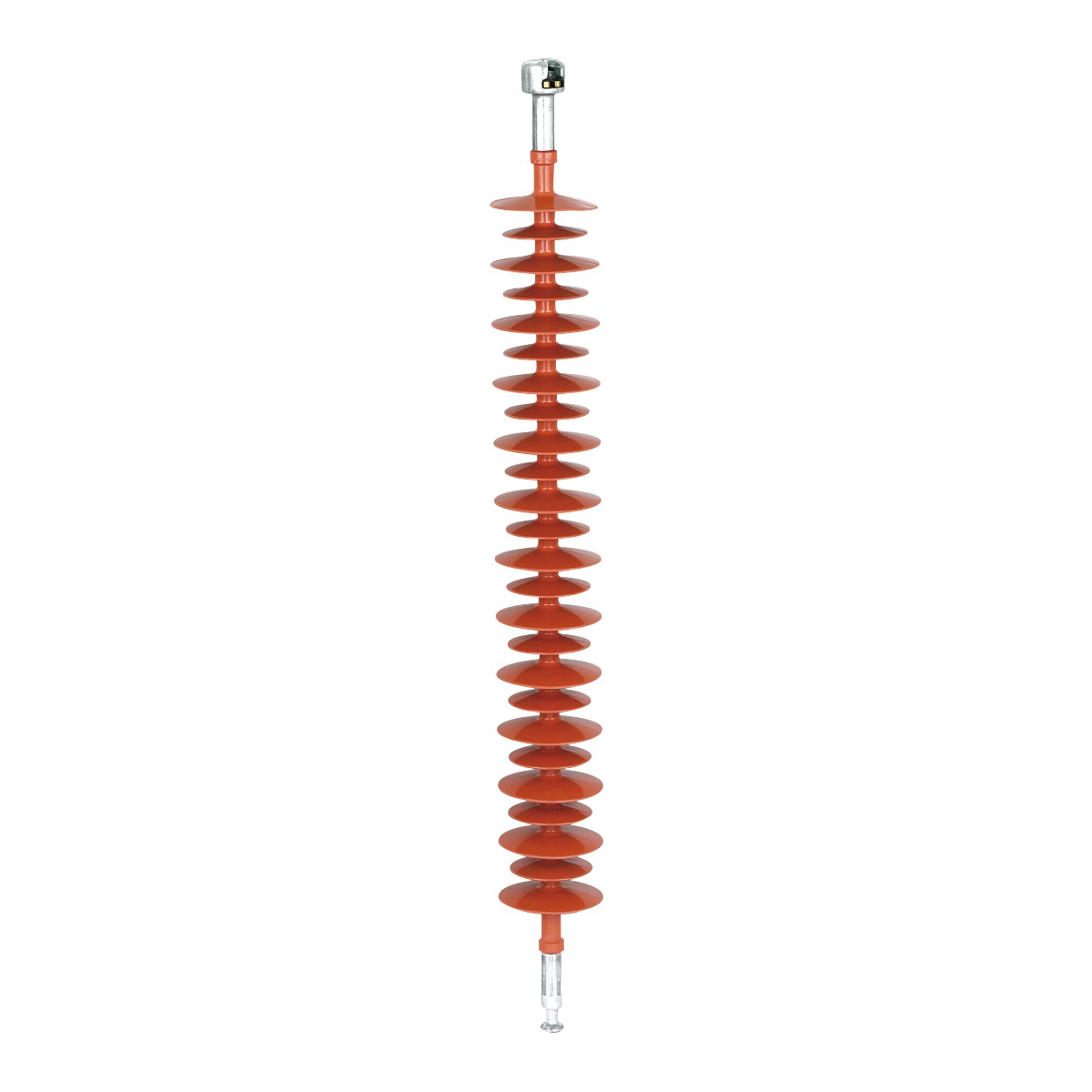
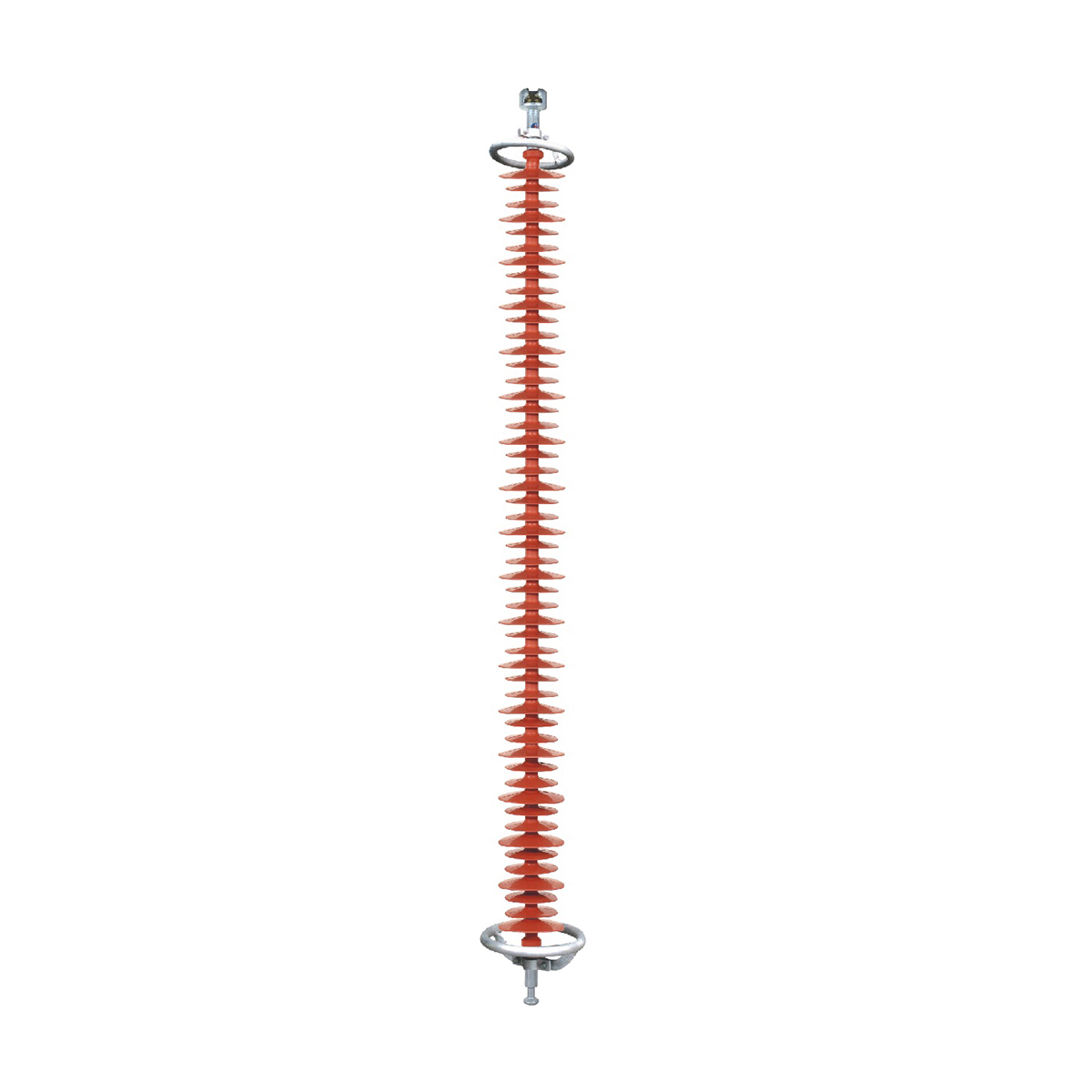
Composite Insulators, also known as polymer insulators or rod-type insulators, are essential devices in power transmission and distribution systems used to support conductors and insulate them from towers. Unlike traditional porcelain or glass insulators, they utilize advanced polymer technology, offering significant advantages such as light weight, high strength, and excellent pollution flashover resistance. They are widely used in high-voltage (HV) and ultra-high-voltage (UHV) transmission lines.
Key advantages compared to porcelain or glass insulators:
Maintenance-Free (Anti-Pollution Flashover): Leveraging the hydrophobicity transfer of silicone rubber, dust particles on the surface also become hydrophobic, significantly reducing maintenance costs.
Lightweight: Only 1/7 to 1/10 the weight of porcelain insulators, greatly reducing requirements for construction personnel and equipment while lowering tower loads.
Non-Brittle: Excellent toughness prevents damage during transportation and installation.
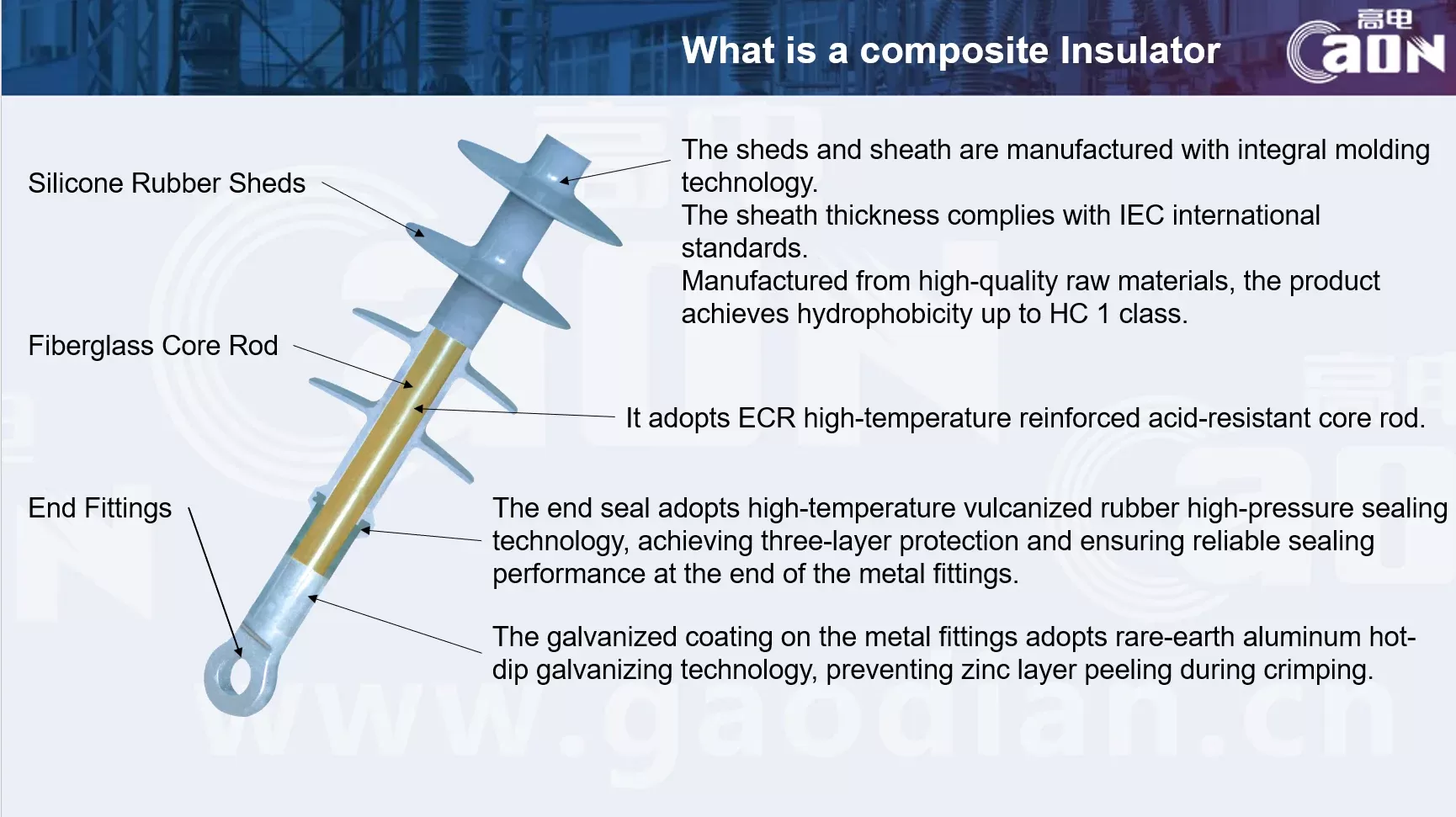
A composite insulator consists of three main components:
| Component | Shed/Housing | Core Rod | End Fittings |
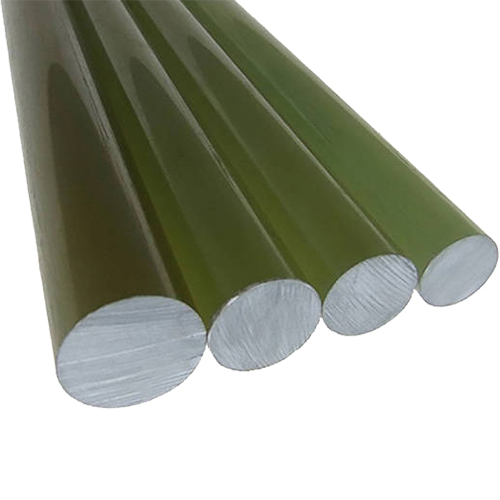
| Material | HTV Silicone Rubber | Epoxy resin impregnated Fiberglass Rod (FRP) | Hot-dip galvanized forged steel or ductile iron |
| Function | Increases creepage distance and prevents leakage current; its natural hydrophobicity prevents flashover accidents in rain, snow, or polluted environments. | Provides extremely high tensile strength (higher than ordinary steel) to support conductor tension or pressure. | Located at both ends of the core rod to connect the insulator to the tower and conductors. |
Core Competitiveness
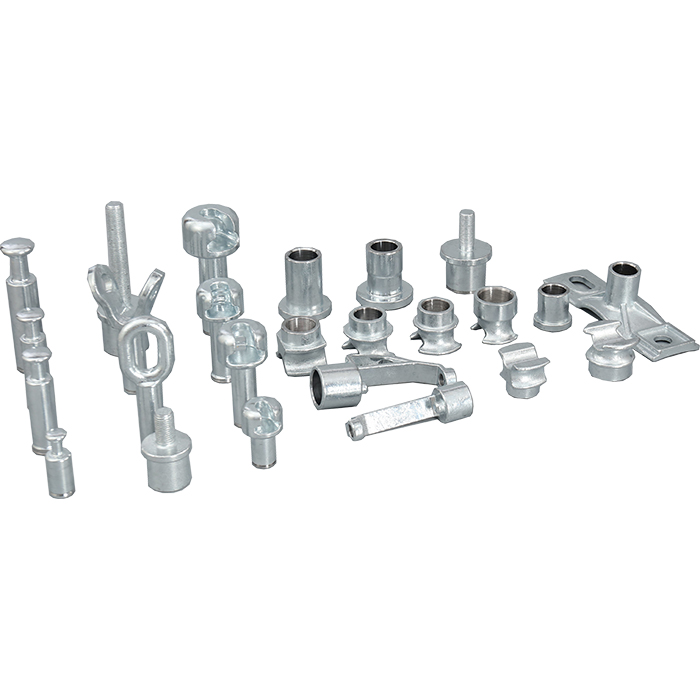
We stand as a leading global supplier because we do not just assemble insulators; we internally manufacture end fittings, core rods, and silicone rubber compounds.
Click the links below to explore our manufacturing strength through our 360° VR Digital Workshop.
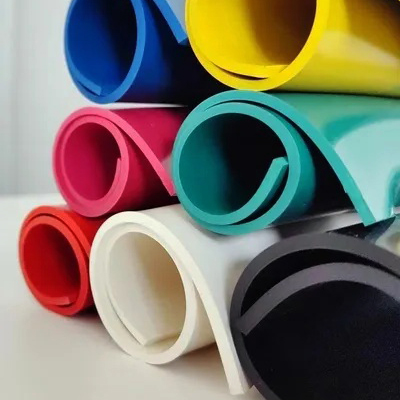
| End Fittings | Core Rods | Silicone Rubber |
 |  |  |
Core Business: Composite Insulator Sales (Finished/Semi-finished) · Production Line EPC (Turnkey Project) Solutions
Global Footprint: Successfully established 7 insulator factories in the following countries:
South America: Argentina
Asia: Thailand, Turkey
Africa: Ethiopia, Morocco, Tanzania
Europe: Bulgaria
Main Applications
1. HV & UHV Transmission Lines
Suspension & Tension: On AC/DC transmission towers from 10kV to 1100kV (UHV), used to hang conductors and withstand mechanical tension.
Compact Lines: Ideal for urban or restricted corridors due to their lightweight and high mechanical strength.
2. Heavily Polluted & Rainy Areas
Coastal Regions: Resistance to salt spray corrosion.
Industrial Areas: Effective in chemical plants and mining areas with high dust pollution, preventing flashover via self-cleaning properties.
High Humidity Areas: Minimizes leakage current in rainy or foggy conditions.
3. Ultra-High Voltage DC (UHVDC) Projects
Preferred solution for long-distance DC projects (e.g., ±800kV+) due to superior anti-corrosion and anti-fouling performance under DC voltage.
4. Substations & Distribution Networks
Composite Post Insulators: Used for isolators and busbar supports, significantly improving seismic resistance.
Distribution Automation: Highly popular in 10kV-35kV networks for easy installation and zero maintenance.
5. Electrified Railways & Transit
Catenary Systems: Withstands high-frequency vibrations from pantographs while providing reliable insulation.