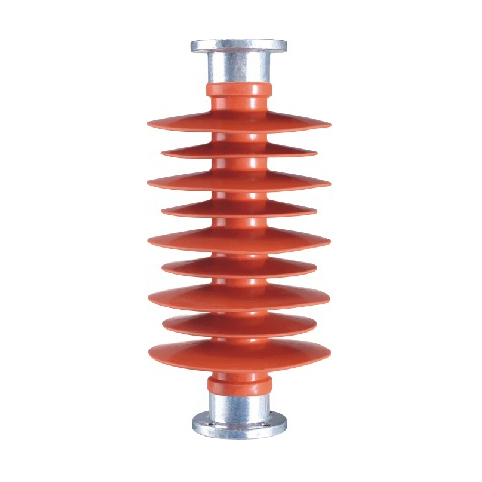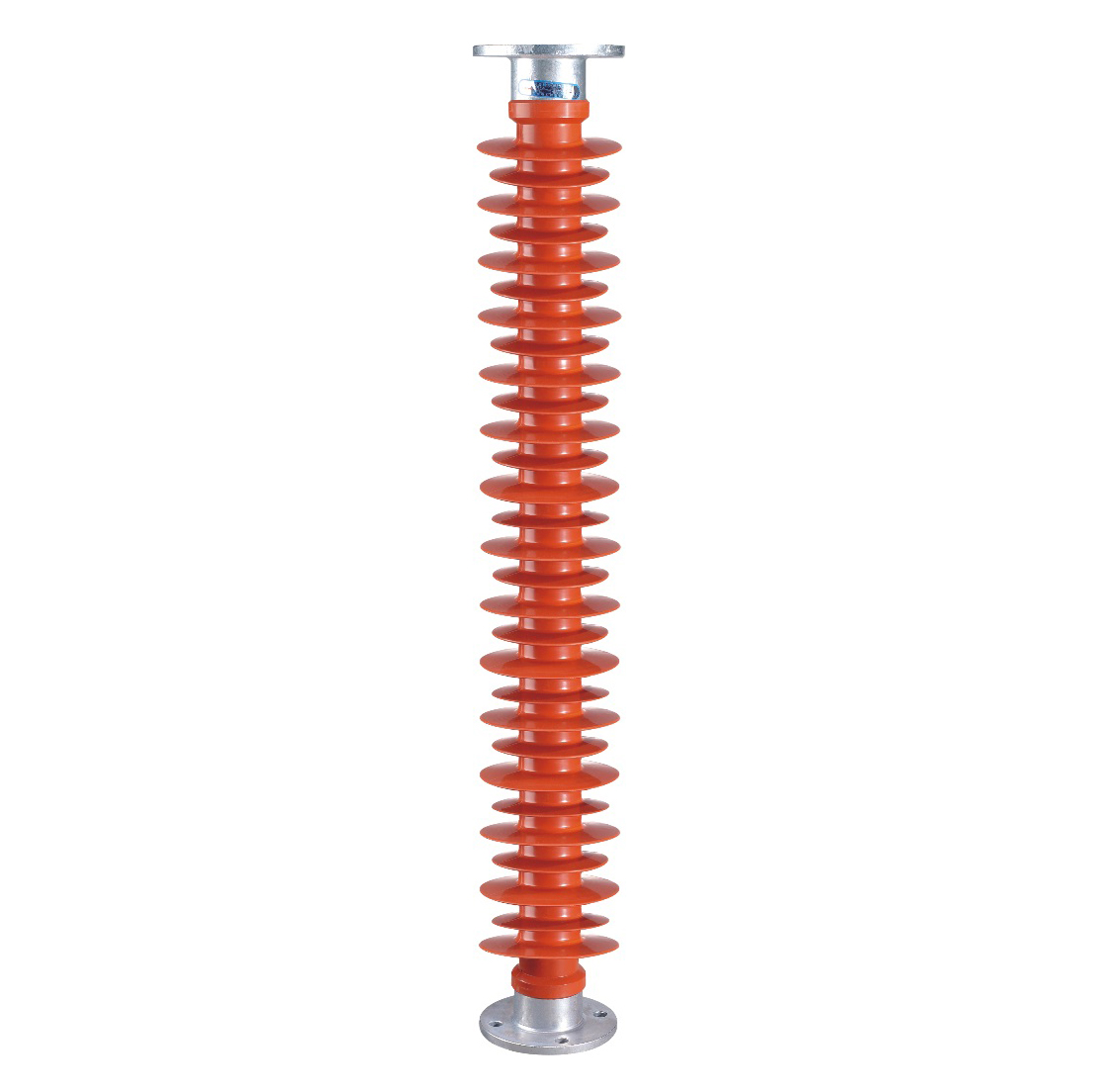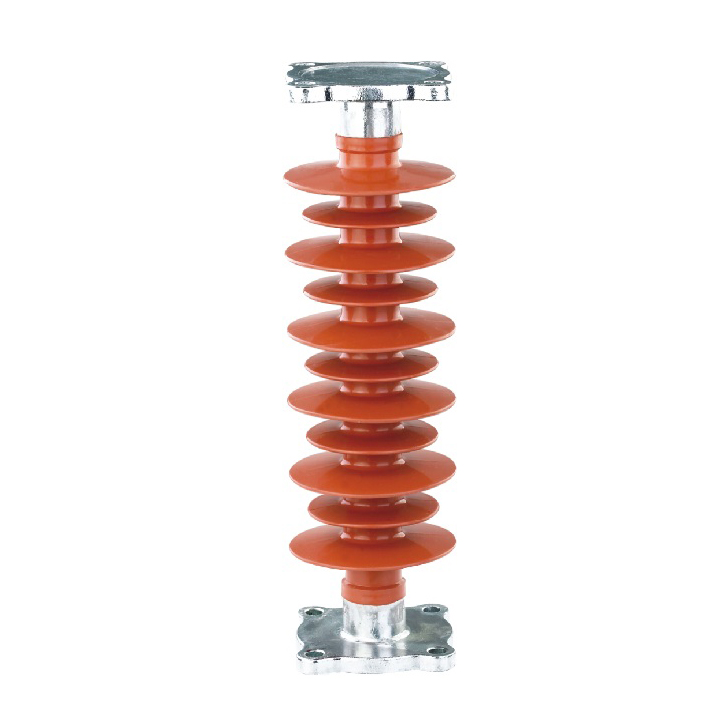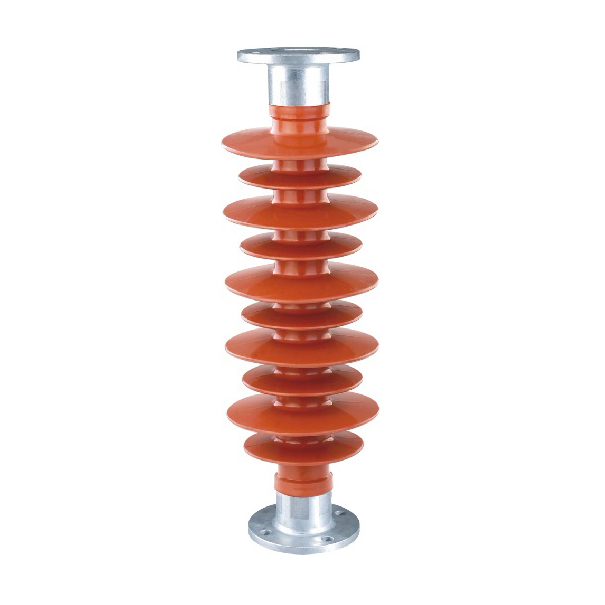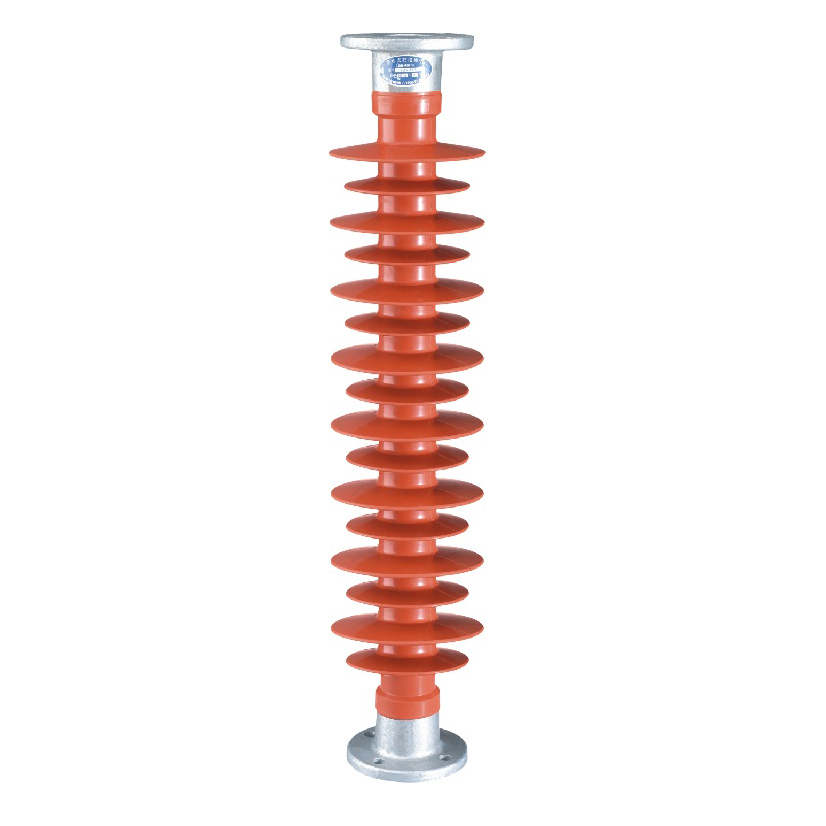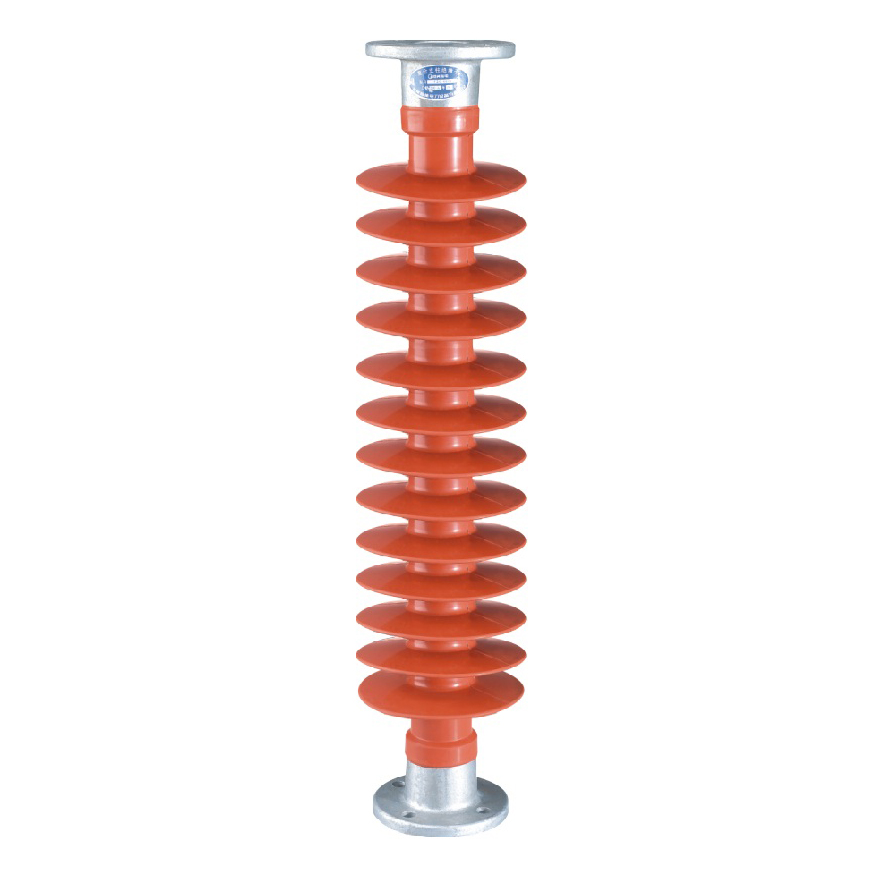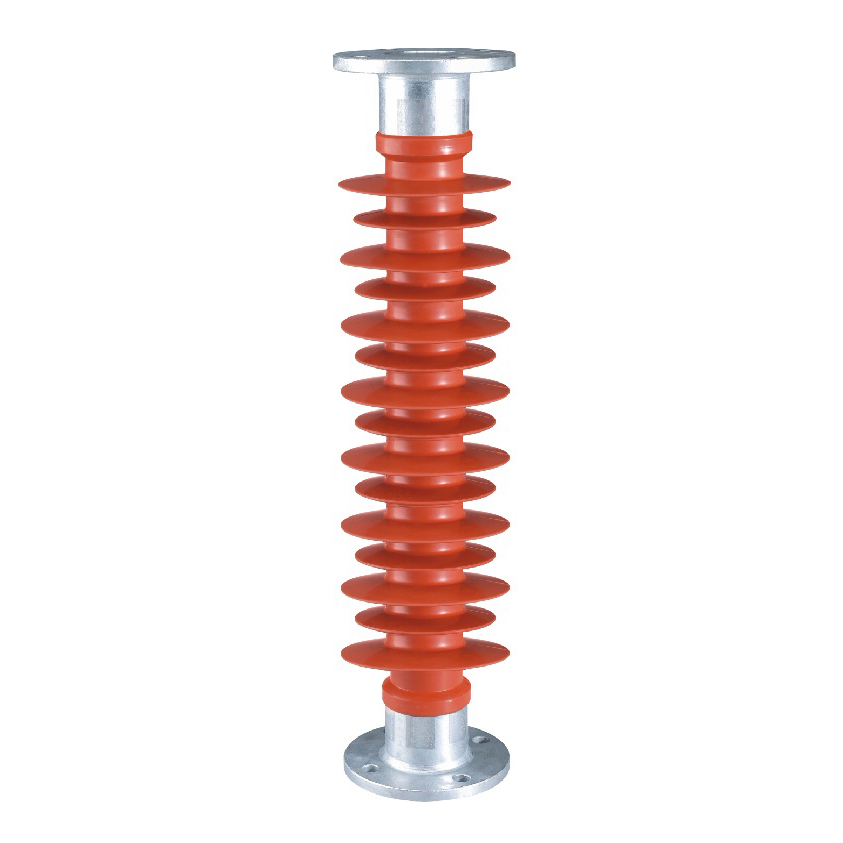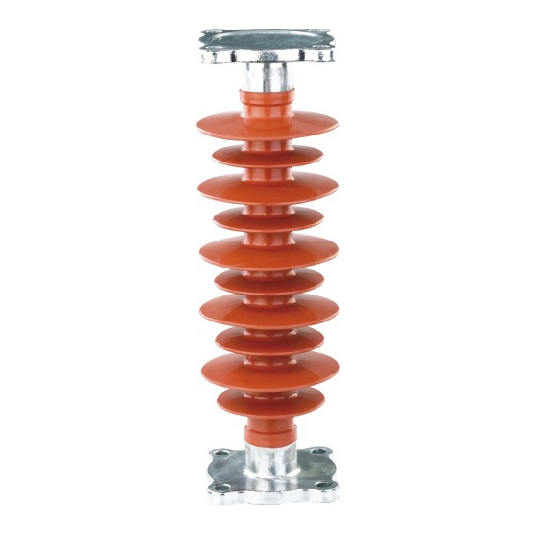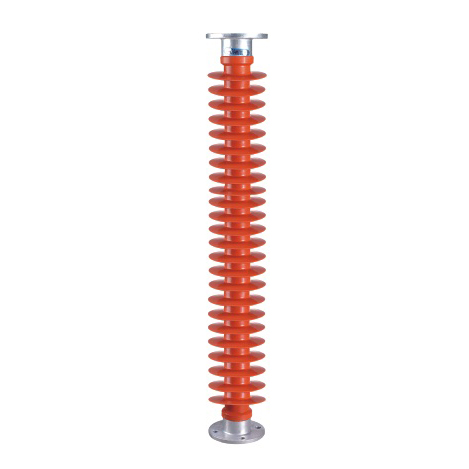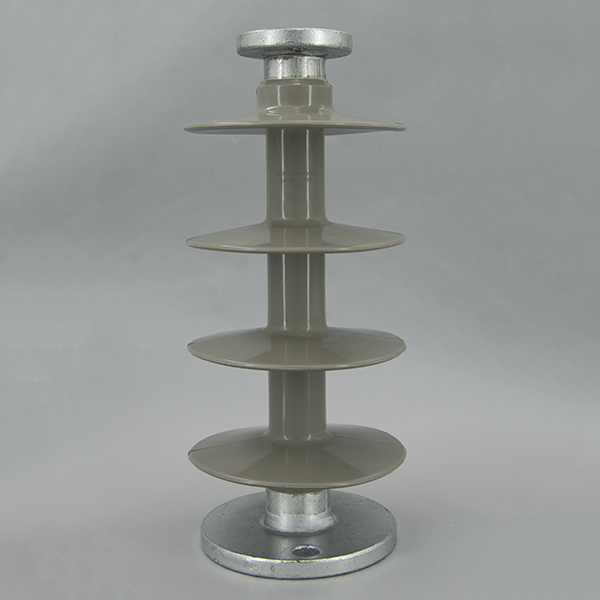


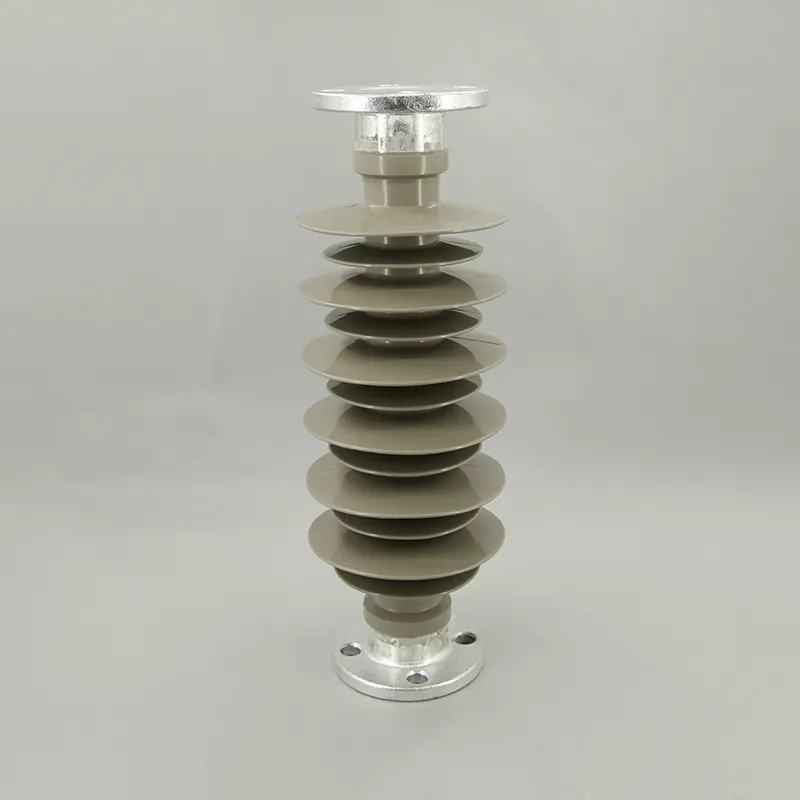
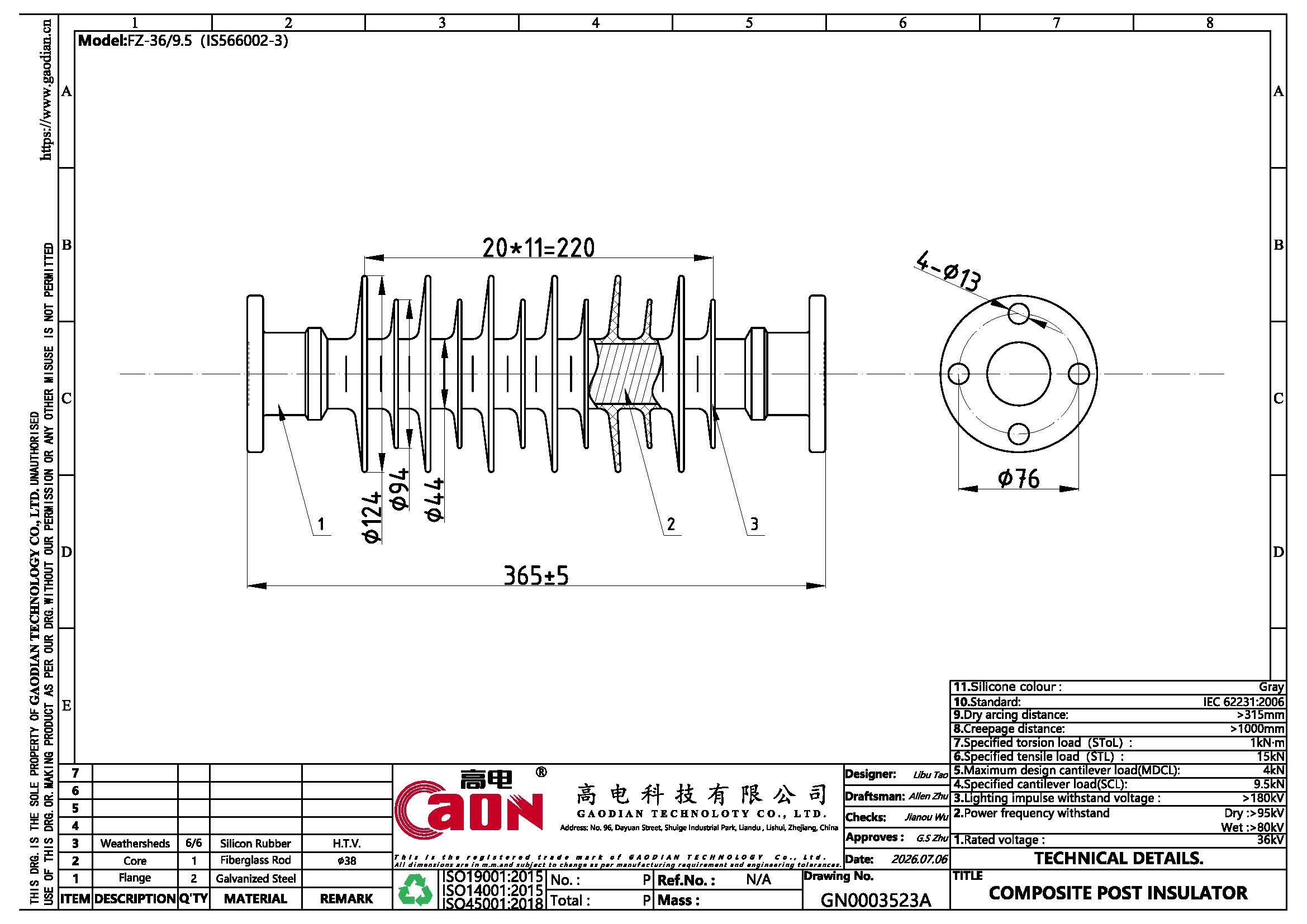
FZ-36/9.5
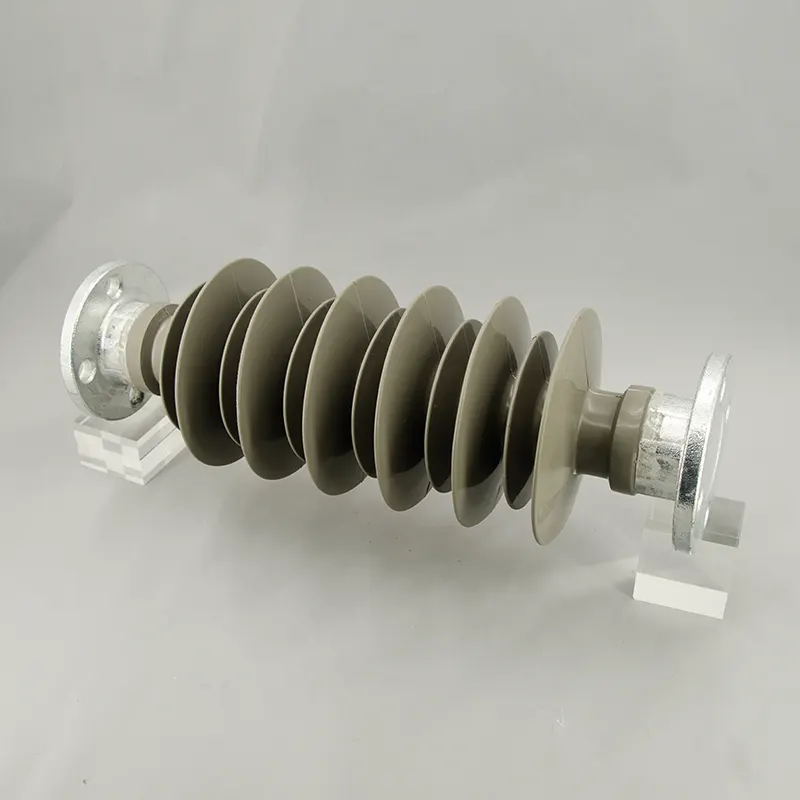
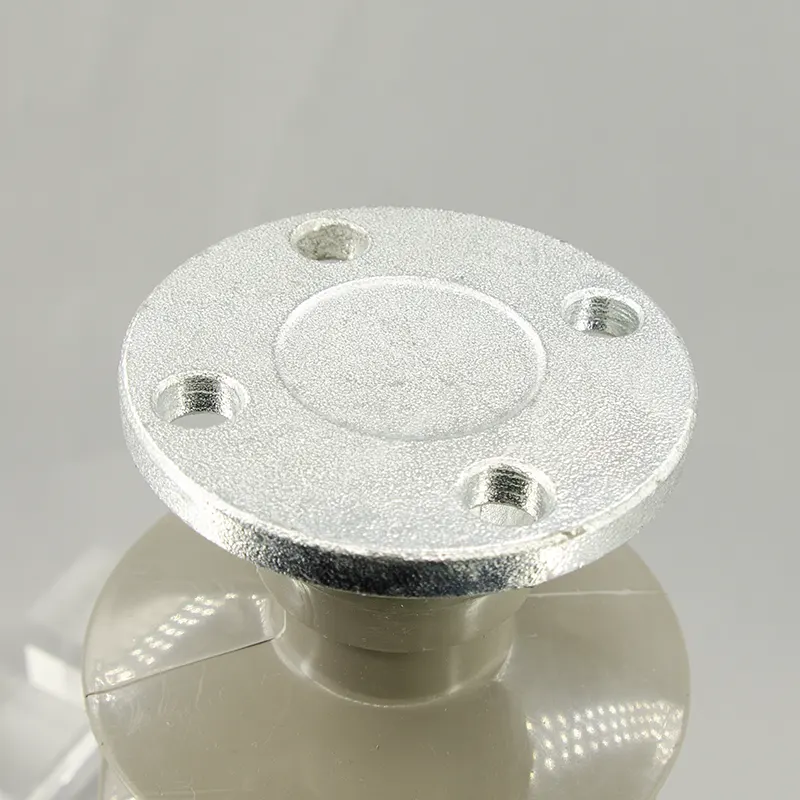
Composite Insulator Drawings
As a world‑leading supplier of composite insulators, we possess full‑industrial‑chain production and comprehensive quality control capabilities. The composite insulators we manufacture fully comply with mainstream standards including GB/T, IEC and ANSI.
| Suspension Insulators | Line Post & Pin Insulators | Station Post Insulators |
| GB/T 19519‑2014 | GB/T 22079‑2008 | GB/T 25096‑2010 |
| IEC 61109:2025 | IEC 61952:2008 | IEC 62231‑2006 |
| ANSI/NEMA C29.13‑2020 | ANSI/NEMA C29.17‑2022 | ANSI/NEMA C29.12‑2020 |
What Are Composite Insulators?
Composite insulators, also known as polymer insulators, rod‑type insulators or silicone rubber insulators, are critical components in power transmission and distribution systems. They support conductors and electrically isolate them from transmission towers. Different from traditional porcelain or glass insulators, they adopt advanced polymer material technology, featuring light weight, high mechanical strength and excellent anti‑pollution performance. They are widely used in high‑voltage and extra‑high‑voltage transmission lines.
Compared with conventional porcelain or glass insulators, composite insulators offer remarkable advantages:
Maintenance‑free (anti‑pollution flashover): Thanks to the hydrophobicity transfer property of silicone rubber, dust accumulated on the shed surface will retain water‑repellent performance, greatly lowering maintenance costs.
Light weight: Their weight is only 1/7 to 1/10 of porcelain insulators. They reduce requirements for on‑site labor and construction equipment, and decrease mechanical load on steel towers.
Breakage‑resistant: Good toughness prevents damage during transportation and field installation.
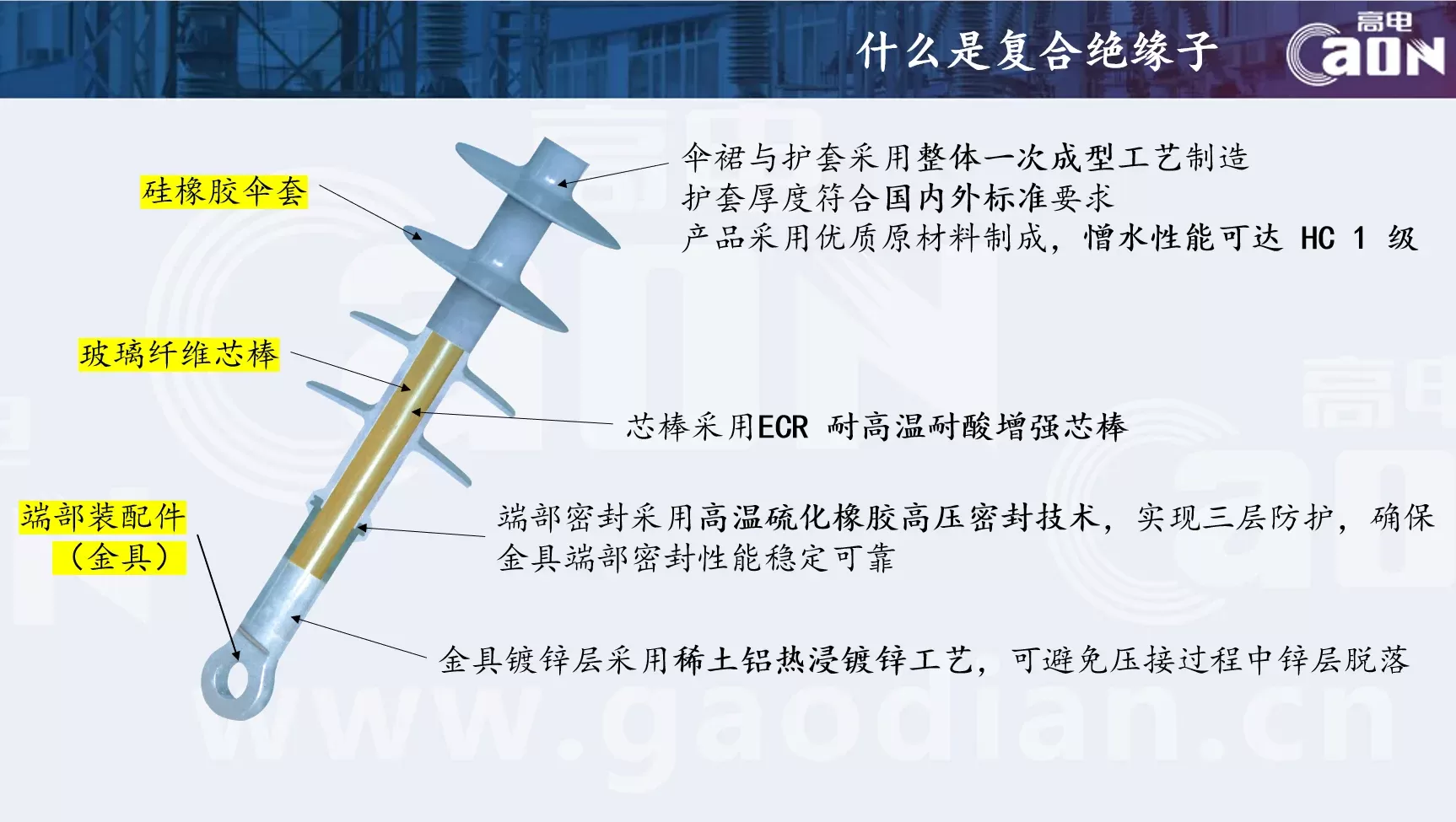
A composite insulator consists of three major parts:
| Item | Housing & Sheds | Fiberglass Core Rod | End Fittings (Hardware) |
| Material | High‑Temperature‑Vulcanized Silicone Rubber (HTV) | Epoxy‑impregnated Fiberglass Reinforced Plastic Rod (FRP) | Hot‑dip‑galvanized forged steel or ductile iron |
| Function | Increase creepage distance to suppress surface leakage current. Natural hydrophobicity minimizes flashover risks under rain, snow and heavily polluted operating conditions. | Extremely high tensile strength (higher than ordinary steel), bears tensile and compressive loads from power conductors. | Located at both ends of core rod, for connecting insulators to steel towers and power conductors. |
Core Competitiveness
We grow into a world‑class composite insulator supplier because we produce not only finished insulators, but also insulator hardware fittings, FRP core rods and silicone rubber compounds in‑house.
Click links below to explore our manufacturing capacity via our 360° digital panoramic workshop tour.
| Hardware Fittings | Core Rods | Silicone Rubber Compound |
|
|
|
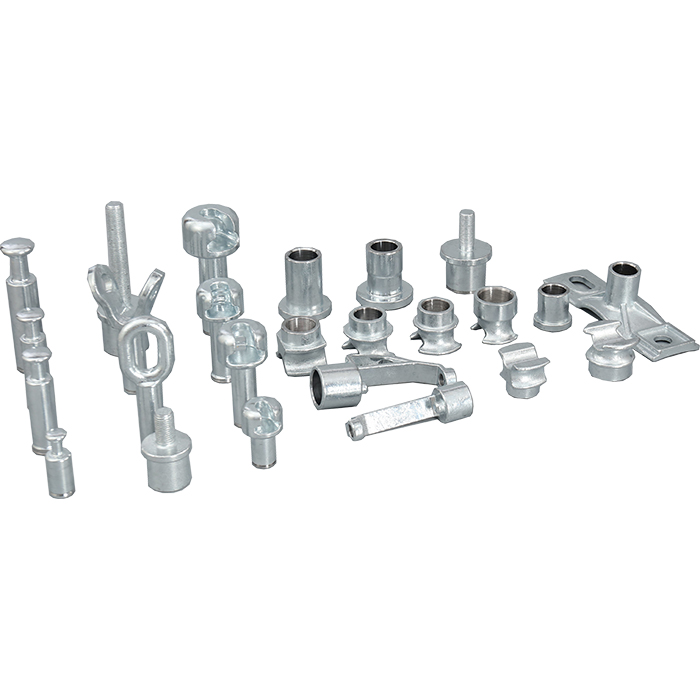
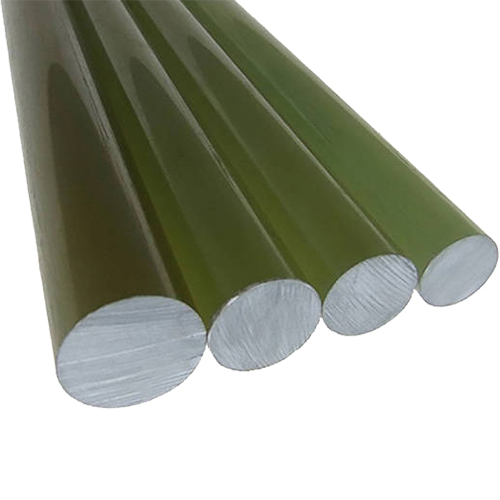
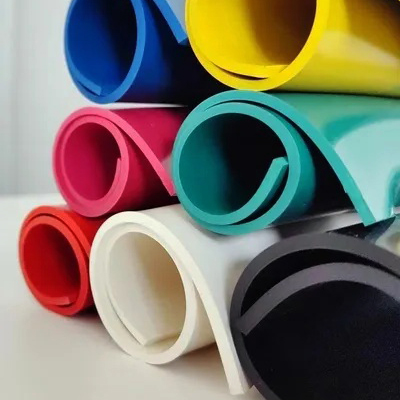
Core Business: Manufacturing, sales and service of finished / semi‑finished composite insulators. We also deliver turn‑key EPC projects for complete composite insulator production lines.
Global Footprint: We have successfully built 7 insulator manufacturing plants in the following countries:
South America: Argentina
Asia: Thailand, Turkey
Africa: Ethiopia, Morocco, Tanzania
Europe: Bulgaria
Main Application Fields
1. Primary Application Scenarios
Outdoor substations & open‑air switchyards: 10kV‑220kV. Supporting GW4, GW5, GW22 outdoor disconnectors, supporting switch conductive arms, providing insulation for live high‑voltage parts against ground and creating visible isolating gaps during maintenance. Applied in suburban, county‑level and mountainous substations.
Overhead distribution networks & pole‑mounted disconnectors: 10‑35kV. Matching insulators for pole‑mounted outdoor disconnectors, sectionalizing switches and drop‑out fuses. Large consumption for urban‑rural distribution network upgrading and rural grid renovation projects.
Heavily polluted power grids: coastal salt‑fog zones, surrounding chemical plants, cement plants, mining sites and sandy‑dust regions. Long‑creepage composite insulators replace legacy porcelain insulators to reduce pollution‑flashover tripping and cut cleaning‑maintenance workload.
2. New‑Energy Industry (Fastest‑Growing Market)
PV power station step‑up substations for utility‑scale solar farms: essential components for 40.5kV disconnectors. Silicone‑rubber disconnector insulators are preferred for Gobi‑desert sites with extreme temperature swing and heavy sand‑dust. Mass procurement of GW5‑40.5kV insulators for mountain‑type PV, fishery‑PV complementary and tidal‑flat PV projects.
Onshore & offshore wind‑farm step‑up substations: 35kV‑110kV high‑voltage disconnectors. Offshore wind power demands outstanding salt‑fog resistance and anti‑corrosion performance; composite insulators represent the preferred technical solution.
Energy‑storage power stations: insulating supporting parts for disconnectors outside high‑voltage energy‑storage cabins.
3. Rail‑Transportation Industry
High‑speed & conventional‑rail traction substations: 35kV, 110kV outdoor disconnectors for railway traction stations, well‑adapted to harmonic environment with excellent seismic performance. High‑voltage disconnectors (GW4‑40.5kV) for metro switching stations, widely adopted in urban metro and intercity‑railway projects.
Power‑supply switchgear for urban light‑rail transit.
4. Self‑Owned Power Plants & Plant Auxiliary Power Systems for Industrial Enterprises
Large industrial & mining enterprises: self‑owned substations for steel mills, chemical plants, refineries, mines, cement plants and paper mills; outdoor disconnectors inside factory high‑voltage distribution rooms. Composite insulators outperform porcelain insulators in dusty and corrosive‑gas industrial environments.
10‑110kV main step‑down substation disconnectors for metallurgical, non‑ferrous‑metal smelters and large‑scale manufacturing plants.
Pumped‑storage & hydropower stations: GW4/GW5 disconnector insulators for outdoor high‑voltage switchyards of hydropower plants, suitable for humid‑rainy operating conditions.
5. Other Niche Application Sectors
Oil & gas industry: substations serving oil‑gas fields and long‑distance pipelines; high‑voltage disconnectors for remote field sites.
Airports, seaports and large‑scale data centers: high‑voltage switchgear for airport switching stations, port distribution systems and external power supply of big‑data centers.
6. Applicable Voltage Classes
10kV, 35kV (40.5kV), 66kV, 110kV, 220kV disconnector insulators.